
Promoting Non-Violence in Philadelphia's Community Stories

In a city as vibrant and diverse as Philadelphia, stories of resilience and hope often emerge from the shadows of violence. While the headlines may focus on crime rates and unrest, countless individuals and organizations are working tirelessly to promote non-violence and foster a sense of community. This blog post explores the inspiring narratives that highlight the efforts of Philadelphians committed to creating a safer, more peaceful environment for all.
Understanding the Landscape of Violence in Philadelphia
Philadelphia has faced its share of challenges, particularly regarding violence. The city has seen fluctuations in crime rates, with certain neighborhoods experiencing higher levels of violence than others. Understanding the root causes of this violence is crucial for developing effective strategies to combat it.
Key Factors Contributing to Violence
Economic Disparities: Many neighborhoods in Philadelphia struggle with poverty, limited access to education, and unemployment. These factors can lead to frustration and, in some cases, violence.
Lack of Community Resources: Areas with fewer recreational facilities, youth programs, and mental health services often see higher rates of violence. When individuals lack constructive outlets for their energy and emotions, tensions can escalate.
Historical Trauma: Generational cycles of violence can perpetuate a culture of fear and aggression. Communities that have faced systemic neglect may find it challenging to break free from these patterns.
Community Initiatives Promoting Non-Violence
Despite these challenges, many organizations and individuals are dedicated to promoting non-violence in Philadelphia. Here are some notable initiatives making a difference:
1. The Philadelphia Peace Day
Every September, Philadelphia celebrates Peace Day, a citywide event that encourages residents to engage in activities promoting peace and non-violence. Schools, community centers, and local organizations host workshops, discussions, and performances that highlight the importance of peaceful conflict resolution.
2. The Anti-Violence Coalition
This coalition comprises various community organizations, faith-based groups, and local leaders working together to address violence in Philadelphia. They focus on advocacy, education, and community engagement to create safer neighborhoods. Their initiatives include:
Community Workshops: These workshops teach conflict resolution skills and promote dialogue among residents.
Youth Programs: Targeted programs for at-risk youth aim to provide mentorship and constructive activities that divert attention from violence.
3. Mural Arts Philadelphia
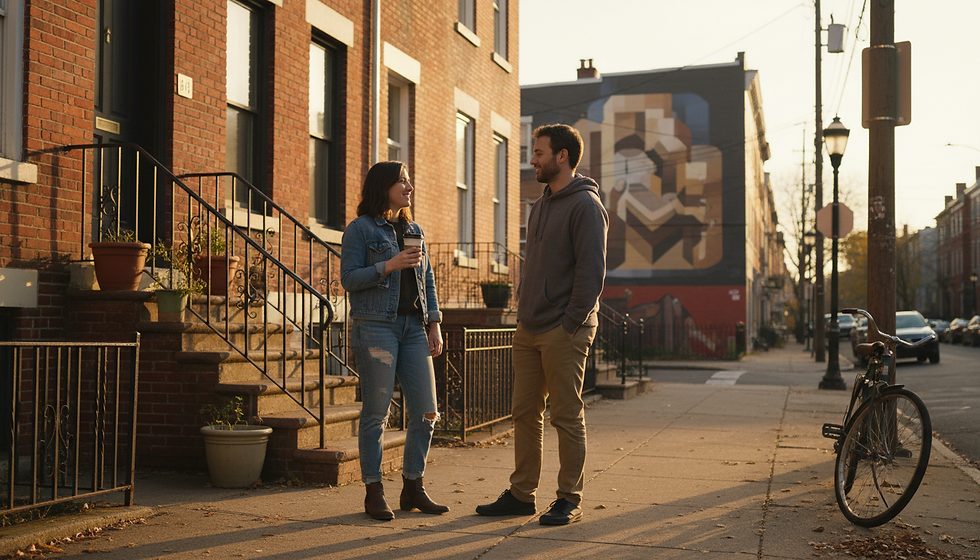
Art has the power to inspire change. Mural Arts Philadelphia engages local artists to create murals that convey messages of peace and unity. These murals not only beautify neighborhoods but also serve as reminders of the community's commitment to non-violence.
Personal Stories of Resilience
Beyond organized initiatives, individual stories of resilience and commitment to non-violence are powerful motivators for change. Here are a few examples of Philadelphians making a difference:
The Story of Maria
Maria, a resident of North Philadelphia, lost her son to gun violence. Instead of succumbing to despair, she became an advocate for peace in her community. Maria founded a support group for parents who have lost children to violence, providing a safe space for sharing experiences and healing. Her story exemplifies the strength of the human spirit and the importance of community support.
The Journey of James
James, a former gang member, turned his life around after participating in a local rehabilitation program. He now works with youth in his neighborhood, sharing his story and encouraging them to make positive choices. His transformation serves as a beacon of hope for many young people facing similar challenges.
The Role of Education in Promoting Non-Violence
Education plays a vital role in fostering a culture of non-violence. Schools in Philadelphia are increasingly incorporating social-emotional learning (SEL) into their curricula. SEL helps students develop skills such as empathy, self-regulation, and conflict resolution, which are essential for peaceful interactions.
Examples of Educational Initiatives
Peer Mediation Programs: These programs train students to mediate conflicts among their peers, promoting peaceful resolutions and reducing instances of violence in schools.
Community Service Projects: Schools encourage students to engage in community service, fostering a sense of responsibility and connection to their neighborhoods.
Building Stronger Communities Through Collaboration
Collaboration among various stakeholders is essential for promoting non-violence in Philadelphia. Local government, community organizations, schools, and residents must work together to create a comprehensive approach to violence prevention.
Strategies for Effective Collaboration
Community Forums: Regular forums allow residents to voice their concerns and collaborate on solutions. These gatherings foster a sense of community and shared responsibility.
Partnerships with Law Enforcement: Building trust between communities and law enforcement can lead to more effective crime prevention strategies. Community policing initiatives encourage officers to engage with residents positively.
Resource Sharing: Organizations can pool resources to maximize their impact. For example, a local youth program might partner with a mental health organization to provide comprehensive support services.
The Importance of Mental Health Support
Addressing mental health is crucial in promoting non-violence. Many individuals involved in violent incidents struggle with untreated mental health issues. Providing accessible mental health resources can help individuals cope with trauma and reduce the likelihood of violent behavior.
Mental Health Initiatives in Philadelphia
Crisis Intervention Teams: These teams consist of trained professionals who respond to mental health crises, providing immediate support and resources.
Community Counseling Services: Local organizations offer counseling services to individuals and families affected by violence, helping them heal and rebuild their lives.
The Power of Storytelling
Storytelling is a powerful tool for promoting non-violence. Sharing personal experiences can inspire others and foster empathy within communities. Philadelphians are increasingly using storytelling to highlight their journeys and the importance of peace.
Platforms for Sharing Stories
Community Events: Open mic nights and storytelling events provide platforms for individuals to share their experiences and connect with others.
Social Media Campaigns: Online platforms allow residents to share their stories widely, raising awareness about the impact of violence and the importance of non-violence.
Conclusion: A Call to Action
Promoting non-violence in Philadelphia requires a collective effort from all community members. By supporting local initiatives, sharing personal stories, and advocating for education and mental health resources, we can create a safer, more peaceful city.
As we reflect on the inspiring stories of resilience and hope, let us remember that every action counts. Whether through volunteering, participating in community events, or simply spreading messages of peace, we all have a role to play in fostering a culture of non-violence. Together, we can build a brighter future for Philadelphia.

Comments